
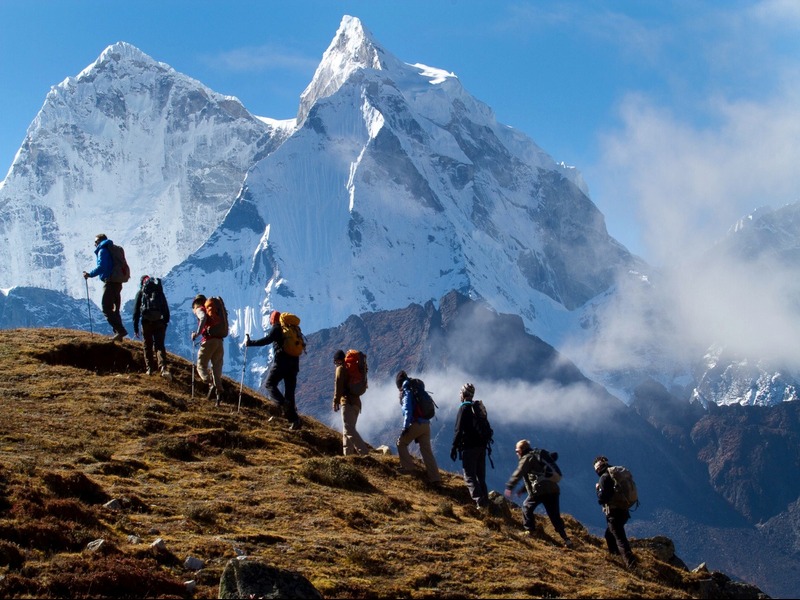
The Valley of Flowers, a UNESCO World Heritage Site, is a tapestry of vibrant colors nestled amidst the majestic Garhwal Himalayas. This valley, carpeted with endemic alpine flowers, boasts a visual spectacle that leaves every visitor awestruck. For nature enthusiasts and trekking aficionados, the Valley of Flowers trek is a pilgrimage, a chance to witness nature’s artistry at its finest.
Unveiling the Valley of Flowers
The Valley of Flowers lies in the upper reaches of Uttarakhand, a state in northern India renowned for its scenic beauty. The valley is encompassed by mountains that rise like sentinels, their snow-capped peaks adding a touch of grandeur to the landscape. During the monsoon season, the valley comes alive with a riot of colors. More than 500 varieties of wildflowers, including the Brahma Kamal, the Cobra Lily, and the Inula Cappa, transform the valley into a floral paradise. The gentle fragrance of these blooms fills the air, creating an atmosphere of serenity and enchantment.
Beyond the visual feast, the Valley of Flowers holds immense ecological significance. Due to its fragile ecosystem, the valley is designated as a national park. Strict regulations are in place to maintain the valley’s pristine beauty and protect its unique flora and fauna.
Embarking on the Valley of Flowers Trek
The Valley of Flowers trek is a moderate-level trek, ideal for those with a basic level of fitness and a spirit of adventure. The trek typically takes around 10 days, encompassing breathtaking landscapes, historical sites, and cultural experiences.
Here’s a glimpse into what you can expect on the Valley of Flowers trek:
Day 1 & 2:
The journey begins in Delhi, the capital of India. From Delhi, you’ll be transferred to Govindghat, a picturesque town that serves as the base camp for the trek. These initial days involve completing registration formalities and acclimatizing to the higher altitude.
Day 3:
On day three, you embark on the first leg of the trek, following a well-defined trail that winds its way through lush forests of pine and rhododendron. The sights and sounds of the surrounding wilderness will leave you spellbound.
Day 4 & 5:
The trek gradually ascends, taking you through meadows adorned with vibrant wildflowers. The quaint villages nestled amidst the mountains offer a glimpse into the local way of life. You’ll also get to visit the Hemkund Sahib Gurudwara, a sacred Sikh pilgrimage site.
Day 6 & 7:
These days are dedicated to exploring the Valley of Flowers in all its glory. An experienced guide will illuminate you on the valley’s diverse flora and fauna. You’ll have ample time to soak in the beauty of the landscape, capture stunning photographs, and create memories that will last a lifetime.
Day 8 & 9:
The return journey commences, retracing your steps back to Govindghat. As you descend, take a moment to appreciate the breathtaking views of the Himalayas that unfold before you.
Day 10:
The trek concludes upon reaching Govindghat, from where you’ll be transferred back to Delhi.
Planning Your Valley of Flowers Trek: Essential Tips
Here are some essential tips to keep in mind when planning your Valley of Flowers trek:
- The ideal time to embark on the Valley of Flowers trek is from July to September. During this period, the valley is in full bloom, offering a visual spectacle that is unmatched.
- A moderate level of physical fitness is required for this trek. Regular exercise and physical conditioning in the weeks leading up to the trek are highly recommended.
- The weather in the Himalayas can be unpredictable. Pack for all weather conditions, including rain gear, warm clothes, and sturdy hiking boots.
- Be mindful of the fragile ecosystem of the Valley of Flowers. Respect the environment and avoid littering or disturbing the flora and fauna.
- A valid permit is required to undertake the Valley of Flowers trek. Obtain your permits well in advance to avoid any last-minute hassles.
By following these tips and partnering with a reputable trekking company, you can ensure a safe, enjoyable, and unforgettable Valley of Flowers trek.
The Valley of Flowers trek is an experience that transcends the physical journey. It’s a chance to reconnect with nature, marvel at its beauty, and appreciate the delicate balance of the ecosystem. So, lace up your hiking boots, pack your sense of adventure, and embark on a trek that will leave you enriched and inspired.
Unveiling the Valley of Flowers: A Biodiversity Hotspot
The Valley of Flowers isn’t just a visual spectacle; it’s a haven for a diverse range of flora and fauna. This valley, spanning over 87.5 square kilometers, is a treasure trove of endemic alpine flowers, many of which are found nowhere else on Earth. Here’s a closer look at the valley’s unique biodiversity:
- Floral Tapestry: The valley boasts over 500 species of flowering plants, including some that are rare and endangered. The vibrant Brahma Kamal, with its large, white and pink blossoms, is one of the most sought-after sights. The Cobra Lily, with its distinctive hood-like structure, is another fascinating find. Other notable mentions include the Inula Cappa, with its bright yellow flowers, and the Primula Floribunda, a carpet of delicate purple blooms. This floral diversity creates a breathtaking panorama that changes with every step you take.
- A Haven for Wildlife: The Valley of Flowers isn’t just a paradise for plants; it’s also home to a variety of animal species. Bharal, a type of wild sheep, can be spotted grazing on the meadows. If you’re lucky, you might even encounter the elusive Himalayan Musk Deer or the majestic Himalayan Snow Leopard. Birdwatchers will be delighted by the sightings of birds like the Himalayan Monal, the Blood Pheasant, and the Brown Accentor. However, it’s important to remember that these animals are wild and should be observed from a distance.
- Ecological Significance: The Valley of Flowers plays a vital role in maintaining the ecological balance of the Himalayas. The diverse plant life provides food and shelter for various animals, while also helping to regulate the climate and prevent soil erosion. The valley also serves as a source of freshwater for the surrounding region. Due to its immense ecological significance, it’s crucial to preserve this fragile ecosystem for generations to come.
The Cultural Tapestry of the Valley Trek
The Valley of Flowers trek isn’t just about the natural beauty; it’s also about experiencing the rich cultural heritage of the Garhwal region. Here’s a glimpse into what you can expect:
- Quaint Villages: As you make your way towards the valley, you’ll pass through charming villages nestled amidst the mountains. These villages offer a window into the lives of the local people, their traditions, and their way of life. You might get the opportunity to interact with the villagers, learn about their customs, and even sample their delicious local cuisine.
- Hemkund Sahib Gurudwara: A highlight of the trek is a visit to the Hemkund Sahib Gurudwara, a sacred pilgrimage site for Sikhs. Located at an altitude of over 4300 meters, this Gurudwara is a testament to the faith and resilience of the Sikh community. The serene atmosphere and stunning backdrop of the Himalayas make it a place of spiritual significance.
- Local Crafts and Traditions: The Garhwal region has a rich tradition of handicrafts. During your trek, you might encounter local artisans selling their wares, including woolen shawls, hand-carved wooden items, and intricately embroidered clothing. Purchasing these souvenirs is a great way to support the local economy and take home a piece of the region’s culture.
Safety and Responsible Trekking
The Valley of Flowers trek is a relatively moderate trek, but it’s important to prioritize safety throughout your journey. Here are some key points to remember:
- Trekking with a Guide: Hiring an experienced and certified guide is highly recommended. A guide will not only navigate the trails but also provide valuable insights into the local flora, fauna, and culture. They will also be equipped to handle any emergencies that might arise.
- Acclimatization: The higher altitude of the Himalayas can lead to altitude sickness. It’s crucial to spend a few days acclimatizing in Govindghat before starting the trek. This allows your body to adjust to the thinner air and reduces the risk of altitude sickness.
- Respecting the Environment: The Valley of Flowers is a fragile ecosystem. It’s vital to practice responsible trekking by following designated trails, avoiding littering, and minimizing your impact on the environment. Remember, leave no trace but footprints, take only memories, and respect the natural beauty that surrounds you.
Conclusion: A Trek Beyond Compare
The Valley of Flowers trek is more than just a physical challenge; it’s a transformative experience. It’s a chance to immerse yourself in the beauty of nature, witness the wonders of the Himalayas, and connect with the rich cultural heritage of the region.