
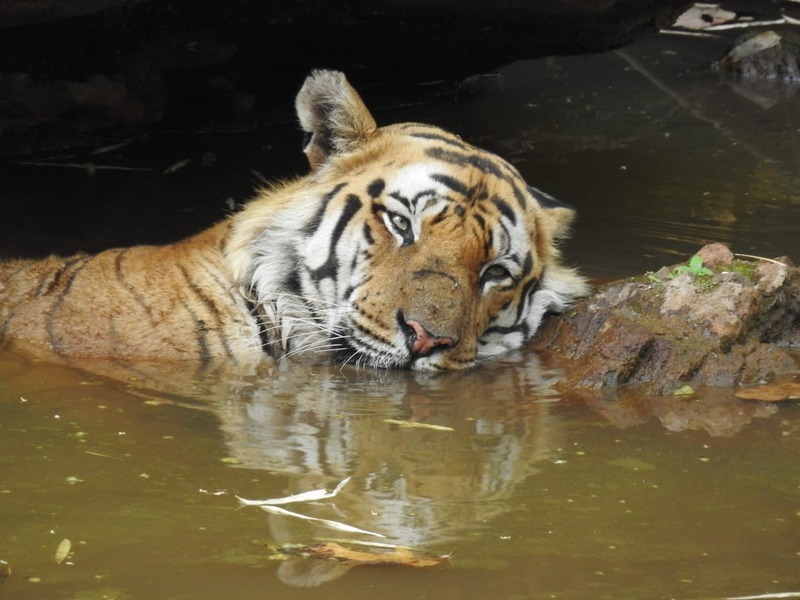
India, a land of diverse landscapes and rich wildlife, is a paradise for nature enthusiasts and adventure seekers. Among the many captivating experiences it offers, tiger safaris stand out as one of the most thrilling and unforgettable. Here are some of the best places to embark on tiger safaris in India:
- Bandhavgarh National Park, Madhya Pradesh
Renowned for its high density of tigers, Bandhavgarh National Park is a must-visit for any wildlife enthusiast. The park boasts lush forests, rolling hills, and ancient fortresses, providing a picturesque backdrop for tiger sightings. With its well-maintained infrastructure and experienced guides, Bandhavgarh ensures a comfortable and memorable safari experience.
- What to Expect:
Wander through a mix of dense forests, open meadows, and rugged ridges that create an ideal habitat for tigers. Zones such as Tala and Magadhi are particularly famous for frequent tiger sightings. - Best Time to Visit:
October to June, with peak sightings typically between March and May. - Safari Timings:
Morning safaris usually begin at sunrise (lasting around 4 hours), while afternoon drives start around 2:30 PM and conclude at sunset. - Accommodation:
Options range from luxury resorts to budget-friendly lodges located near the park’s entrance, ensuring a comfortable stay after a day of adventure.
- Kanha National Park, Madhya Pradesh
Kanha National Park, inspired by Rudyard Kipling’s “Jungle Book,” is another gem in the heart of India. This sprawling park is home to a diverse range of wildlife, including tigers, leopards, deer, and various bird species. The park’s picturesque landscapes, including bamboo forests and meadows, offer a serene and captivating environment for tiger safaris.
- What to Expect:
Traverse through lush sal and bamboo forests, expansive grassy meadows, and winding ravines. The park’s well-managed corridors and waterholes provide excellent opportunities for spotting tigers. - Best Time to Visit:
October to June, with increased tiger activity during the summer months (March to June) near water sources. - Safari Timings:
Early morning safaris start at sunrise, with a second drive scheduled from mid-afternoon until sunset. - Accommodation:
Stay in charming lodges and eco-resorts near villages like Mocha and Kisli, where you can experience local hospitality alongside wildlife adventure.
- Tadoba Andhari Tiger Reserve, Maharashtra
Located in the Vidarbha region of Maharashtra, Tadoba Andhari Tiger Reserve is a haven for wildlife lovers. The reserve’s dense teak forests and water bodies provide ideal habitats for tigers and other animals. With its well-managed safaris and experienced guides, Tadoba Andhari offers a thrilling and rewarding experience for visitors.
- What to Expect:
This reserve features a mosaic of dense forests, open meadows, and the scenic Tadoba Lake, which attracts not only tigers but also a rich variety of other wildlife. - Best Time to Visit:
October to June, with March to May offering the best chances for tiger sightings amid the dry, heat-induced congregation around water sources. - Safari Timings:
Early morning drives typically commence around 6:00 AM, with afternoon safaris starting at approximately 3:00 PM. - Accommodation:
Choose from a range of eco-friendly resorts and forest rest houses located at the fringes of the park, offering a comfortable retreat after an exhilarating day of exploration.
- Ranthambore National Park, Rajasthan
Ranthambore National Park, situated in the Rajasthan desert, is famous for its majestic tigers and ancient forts. The park’s rugged terrain, including rocky hills and water bodies, provides a challenging yet rewarding environment for tiger sightings. With its rich history and diverse wildlife, Ranthambore offers a unique and unforgettable safari experience.
- What to Expect:
Explore vast tracts of dry deciduous forests and open grasslands, with tiger sightings frequently reported around the park’s lakes and waterholes. - Best Time to Visit:
October to June, with the hot months from April to June being particularly ideal for spotting tigers. - Safari Timings:
Morning safaris run from around 6:30 AM to 10:00 AM, and the afternoon sessions are held from 2:30 PM to 6:00 PM. - Accommodation:
A variety of hotels, resorts, and guesthouses are available in nearby Sawai Madhopur, offering easy access to the park.
- Corbett National Park, Uttarakhand
Corbett National Park, India’s oldest national park, is located in the foothills of the Himalayas. The park’s diverse landscapes, including dense forests, grasslands, and rivers, provide a suitable habitat for tigers and other wildlife. With its well-developed infrastructure and experienced guides, Corbett National Park offers a comfortable and enjoyable safari experience.
- What to Expect:
The park boasts diverse habitats—from riverine belts and dense sal forests to grassy meadows—which provide a stunning backdrop for wildlife photography. While primarily known for its birdlife and elephants, tiger sightings here remain a special thrill. - Best Time to Visit:
November to June, with the cooler months providing comfortable weather for early morning and late afternoon safaris. - Safari Timings:
Morning safaris typically begin at dawn, and afternoon drives are scheduled from mid-afternoon until dusk. - Accommodation:
A range of resorts, treehouses, and forest lodges are available, allowing visitors to immerse themselves in the park’s natural beauty.
- Pench National Park, Madhya Pradesh
Inspired by Kipling’s “Jungle Book,” Pench National Park is another must-visit destination for tiger safaris. The park’s dense forests, water bodies, and hills provide a picturesque backdrop for wildlife sightings. With its well-managed safaris and experienced guides, Pench offers a thrilling and rewarding experience for visitors.
- What to Expect:
The reserve offers a blend of rugged hills, dense forests, and scenic riverbanks, which not only provide shelter for tigers but also an ideal setting for nature enthusiasts and photographers. - Best Time to Visit:
October to June, with the period between March and May yielding higher chances of tiger sightings as animals gather around water bodies. - Safari Timings:
Both morning and afternoon safaris are available, each offering unique perspectives of the park’s diverse ecosystems. - Accommodation:
Visitors can choose from eco-resorts and heritage hotels in and around the reserve, where local culture and wildlife conservation efforts blend seamlessly.
- Nagarhole National Park, Karnataka
Nagarhole National Park, located in the Western Ghats, is known for its diverse wildlife and scenic beauty. The park’s dense forests, rivers, and hills provide a suitable habitat for tigers and other animals. With its well-managed safaris and experienced guides, Nagarhole offers a thrilling and rewarding experience for visitors.
Tips for a Successful Tiger Safari
- Choose the right time: The best time to visit these national parks is during the dry season (October to April) when wildlife activity is high.
- Book your safari in advance: To ensure availability, especially during peak season, it is advisable to book your safari well in advance.
- Follow park rules: Adhere to the park’s rules and regulations to protect the wildlife and ensure a safe and enjoyable experience.
- Be patient: Tiger sightings can be unpredictable. Patience is key to a successful safari.
- Hire a knowledgeable guide: A good guide can enhance your safari experience by sharing insights about the wildlife and the park’s history.
Beyond the Basics of Tiger Safaris in India:
While the national parks mentioned above offer excellent opportunities for tiger sightings, there are a few additional factors to consider when planning your safari:
- Accommodation: Choose accommodation that suits your budget and preferences. Options range from luxury lodges to more basic campsites.
- Safari activities: In addition to tiger safaris, many national parks offer other activities such as birdwatching, nature walks, and cultural experiences.
- Safety: Ensure that your tour operator prioritizes safety measures and adheres to park regulations.
- Ethical considerations: Support responsible tourism practices that prioritize the conservation of wildlife and the local communities.
Conservation Efforts:
India has made significant strides in tiger conservation, with the population increasing in recent years. However, threats such as poaching, habitat loss, and human-wildlife conflict remain challenges. Supporting conservation efforts is crucial to ensuring the long-term survival of tigers in India.
Personal Experiences:
Many travelers share their personal experiences of tiger safaris in India, highlighting the thrill of encountering these majestic creatures in their natural habitat. From the excitement of a close encounter to the serenity of the wilderness, these experiences often leave a lasting impression.
Conclusion:
Each of these destinations offers a distinct tiger safari experience, from the dense forests of Madhya Pradesh to the unique waterways of the Sundarbans. While planning your trip, remember that responsible tourism is key to conservation efforts—always follow the guidelines set by park authorities, respect wildlife habitats, and support local communities.
Whether you’re chasing that perfect tiger photograph or simply yearning for a closer connection with nature, India’s tiger reserves promise adventures that will leave you with memories to last a lifetime. Pack your bags, embrace the wild, and step into the enchanting world of India’s tiger safaris!